Overview
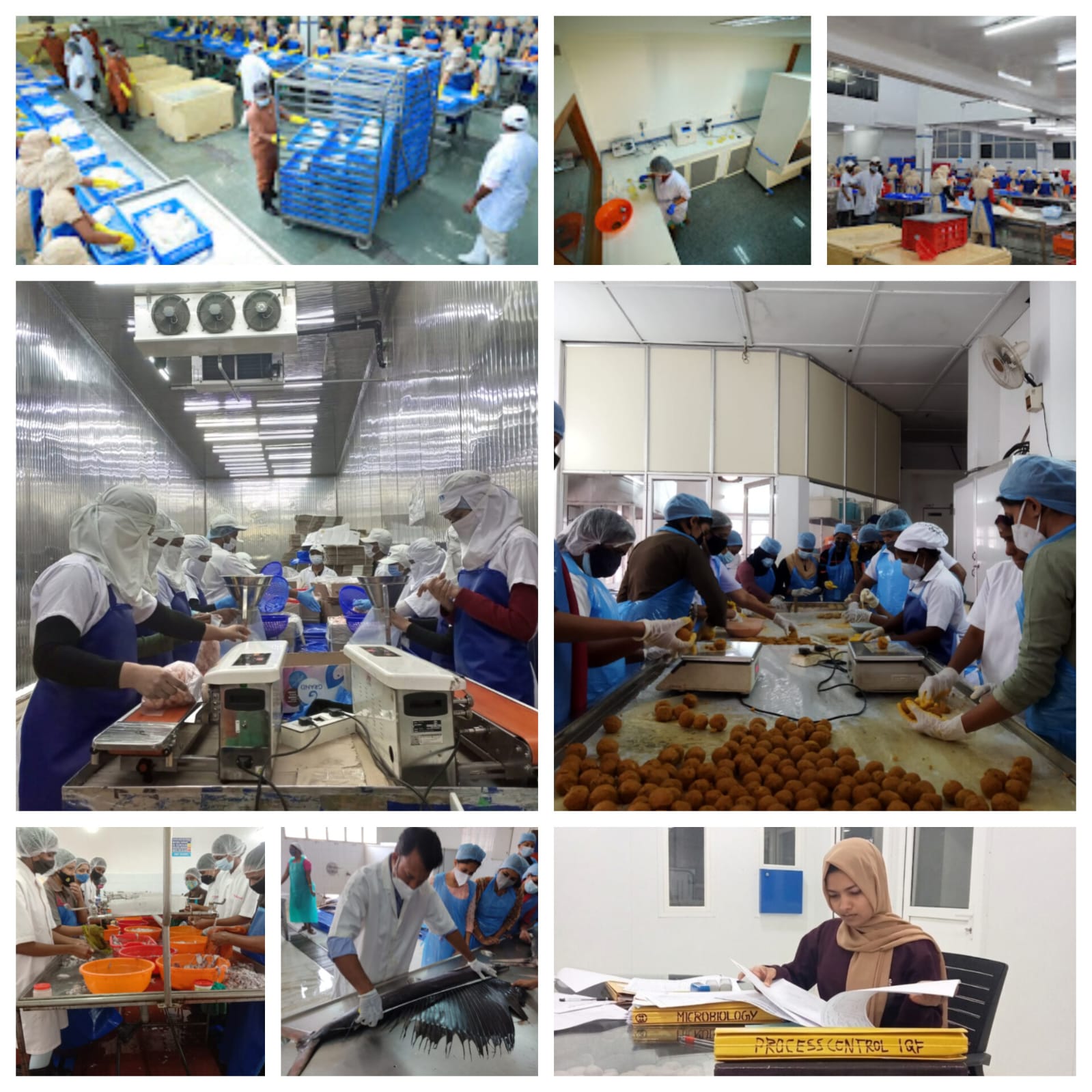
The Bachelor of Vocation (B.Voc.) programme represents a progressive transformation in higher education in India by integrating skill-based learning with academic knowledge. Anchored in the National Skill Qualification Framework (NSQF), the programme is designed to bridge the gap between theoretical understanding and practical expertise, thereby enhancing employability, entrepreneurship, and industry readiness in a rapidly evolving economic landscape. In alignment with this vision, the Department of Fish Processing Technology was established in 2018 under the B.Voc. initiative of the University of Calicut to meet the growing demand for skilled professionals in the seafood processing sector. Initially introduced as an aided programme, it has been continued as a self-financing course from the academic year 2021–22, reflecting its sustained relevance and increasing demand. The department offers the B.Voc. Degree in Fish Processing Technology as a job-oriented programme with a strong emphasis on experiential learning and industry exposure. The first major syllabus revision was implemented in 2021 under the CBCSS VUG 2021 regulation. With the implementation of the National Education Policy (NEP) 2020, the programme has been further restructured under the Calicut University Four-Year Vocational Programme Regulation 2025, applicable from the 2025 admission batch onwards. This revised framework introduces a flexible academic structure with multiple entry and exit options, allowing students to earn an Undergraduate Certificate after two semesters, an Undergraduate Diploma after four semesters, a B.Voc. Degree after six semesters, and a Post Graduate Diploma after eight semesters.
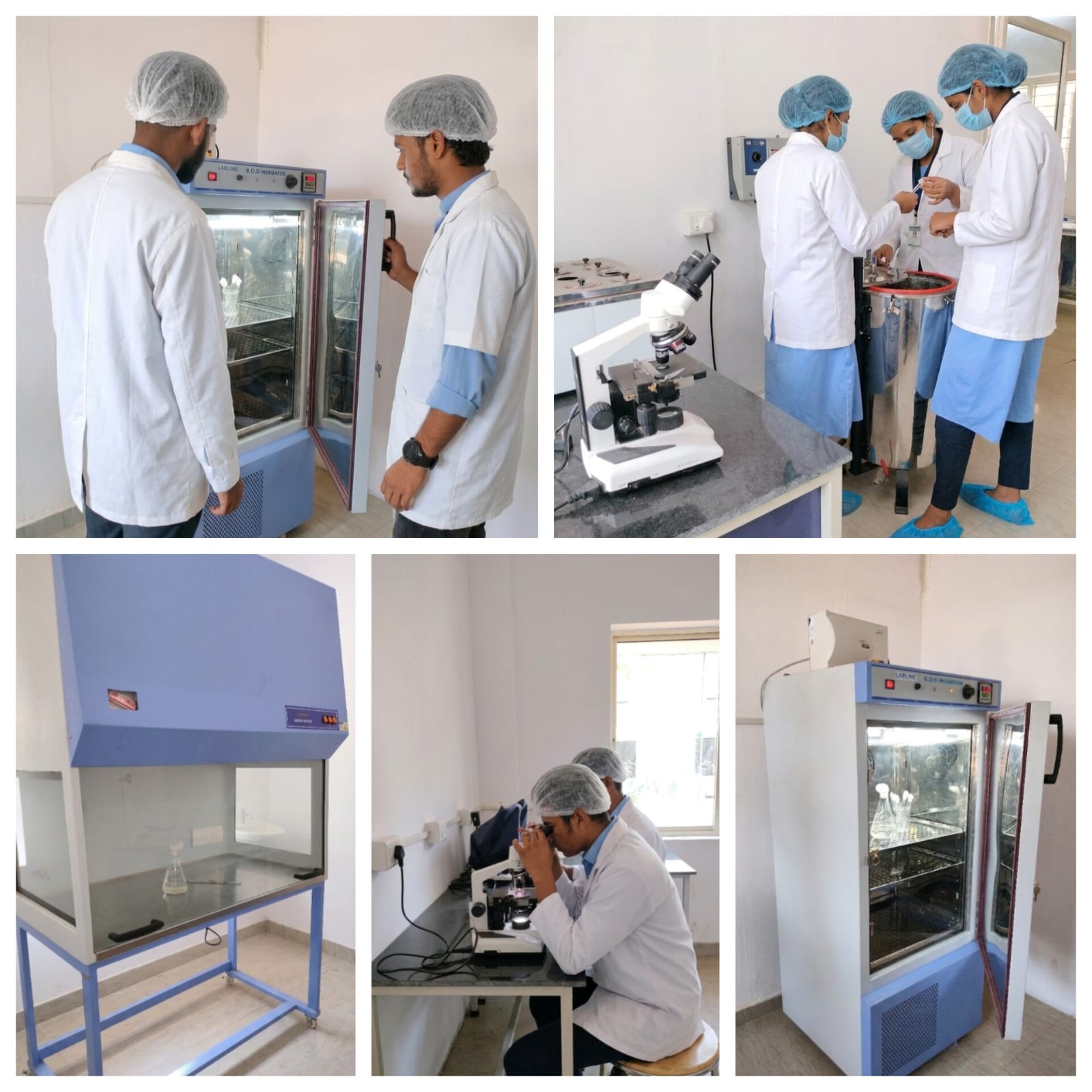
The programme is enriched through Ability Enhancement Courses that strengthen communication and soft skills, Multidisciplinary Courses that promote interdisciplinary learning, and minor pathway courses that enable students to pursue a minor degree in another discipline, thereby supporting vertical mobility for higher studies. The curriculum aligns with the National Higher Education Qualifications Framework (NHEQF) and is supported by the Academic Bank of Credits, ensuring flexibility and national-level recognition. The department is equipped with well-established facilities, including a dedicated fish processing laboratory for hands-on training, a fully equipped microbiology laboratory for quality and safety analysis, and a computer laboratory that supports General Informatics practical courses, enabling students to develop essential digital competencies. A key strength of the department is its dedicated incubation centre, which serves as a platform for innovation, research, and entrepreneurship by supporting value-added seafood product development, student projects, and consultancy services. Admission to the programme is open to candidates who have successfully completed Higher Secondary Education or equivalent with a minimum of 45 percent marks in Biology, Physics, and Chemistry. Through its comprehensive, industry-oriented, and flexible academic framework, the Department of Fish Processing Technology remains committed to nurturing competent professionals capable of meeting the evolving demands of the seafood processing industry and contributing to sustainable development.
Vision & Mission
Vision
To
be a centre of excellence in fish processing technology education, fostering
skilled professionals, innovators, and entrepreneurs who contribute to
sustainable growth and global competitiveness in the seafood industry.
Mission
To provide quality education integrating theoretical knowledge with practical and industry-oriented training in fish processing technology.
To enhance employability and entrepreneurial skills through hands-on training, internships, and incubation support.
To promote research, innovation, and value addition in seafood processing and by-product utilization.
To develop socially responsible professionals committed to sustainable practices and community development.
To align academic programmes with national
frameworks (NSQF, NHEQF) and evolving industry standards.
Faculty


PROGRAMMES
Reports

Gallery