Overview
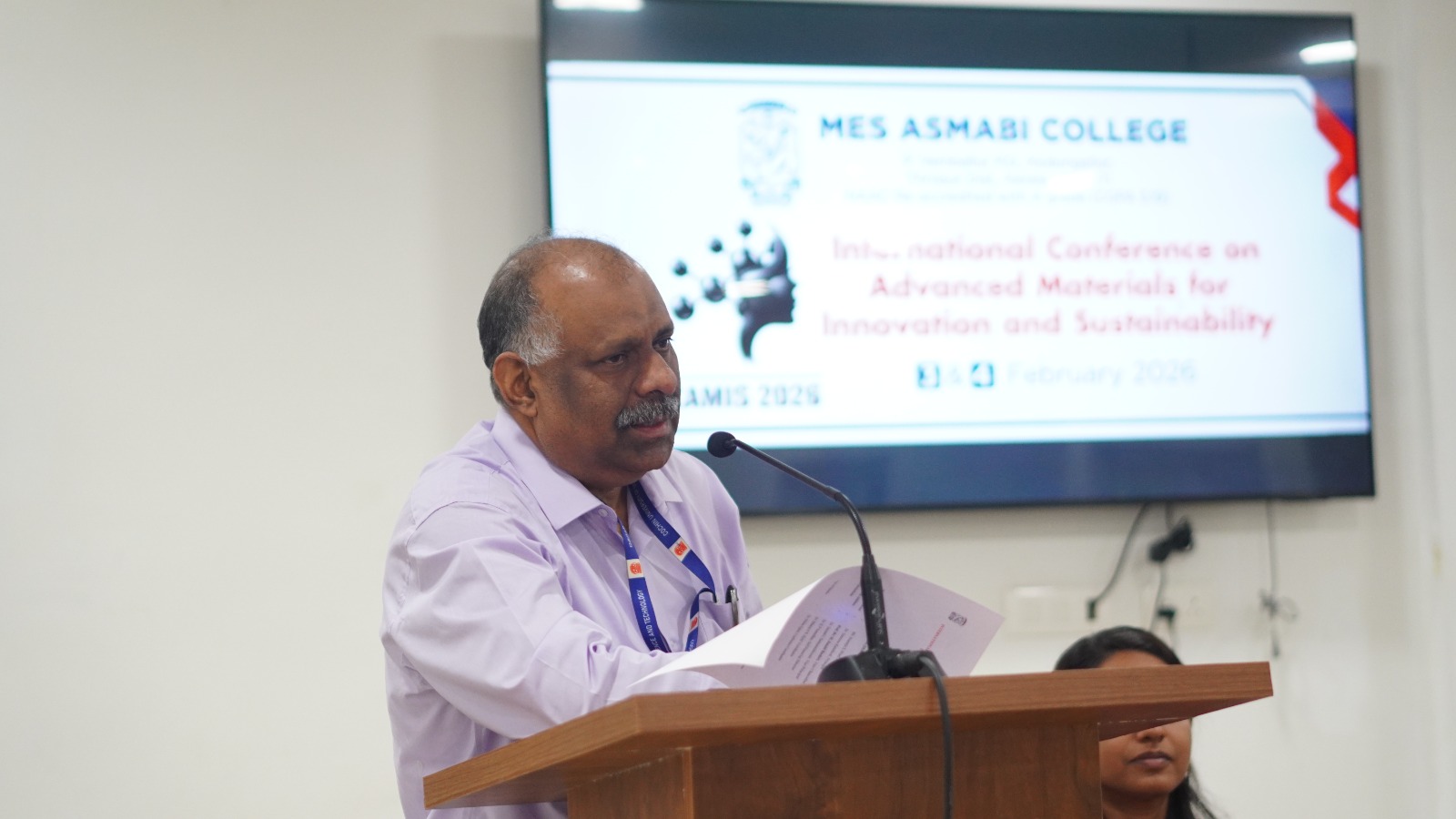
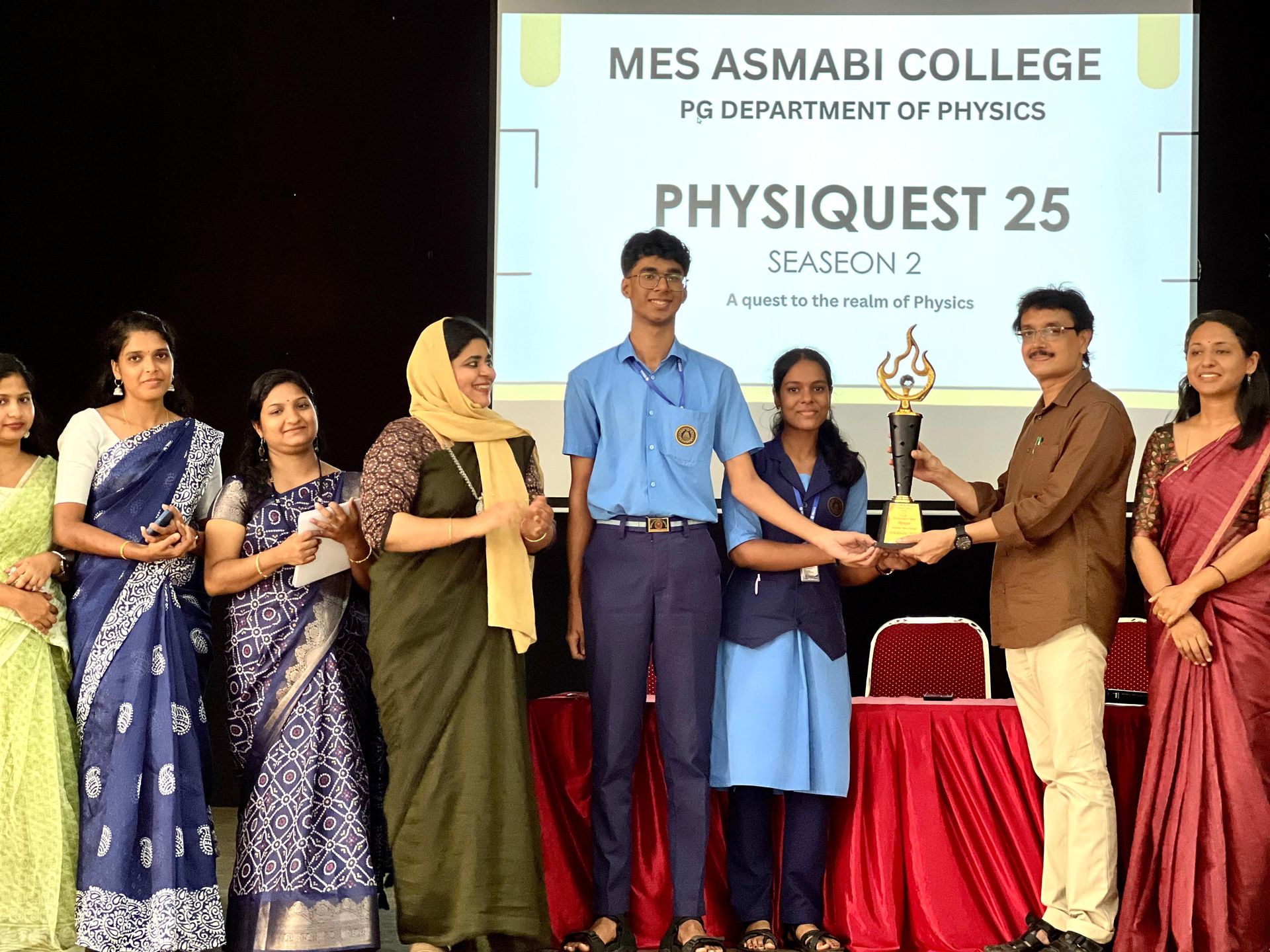
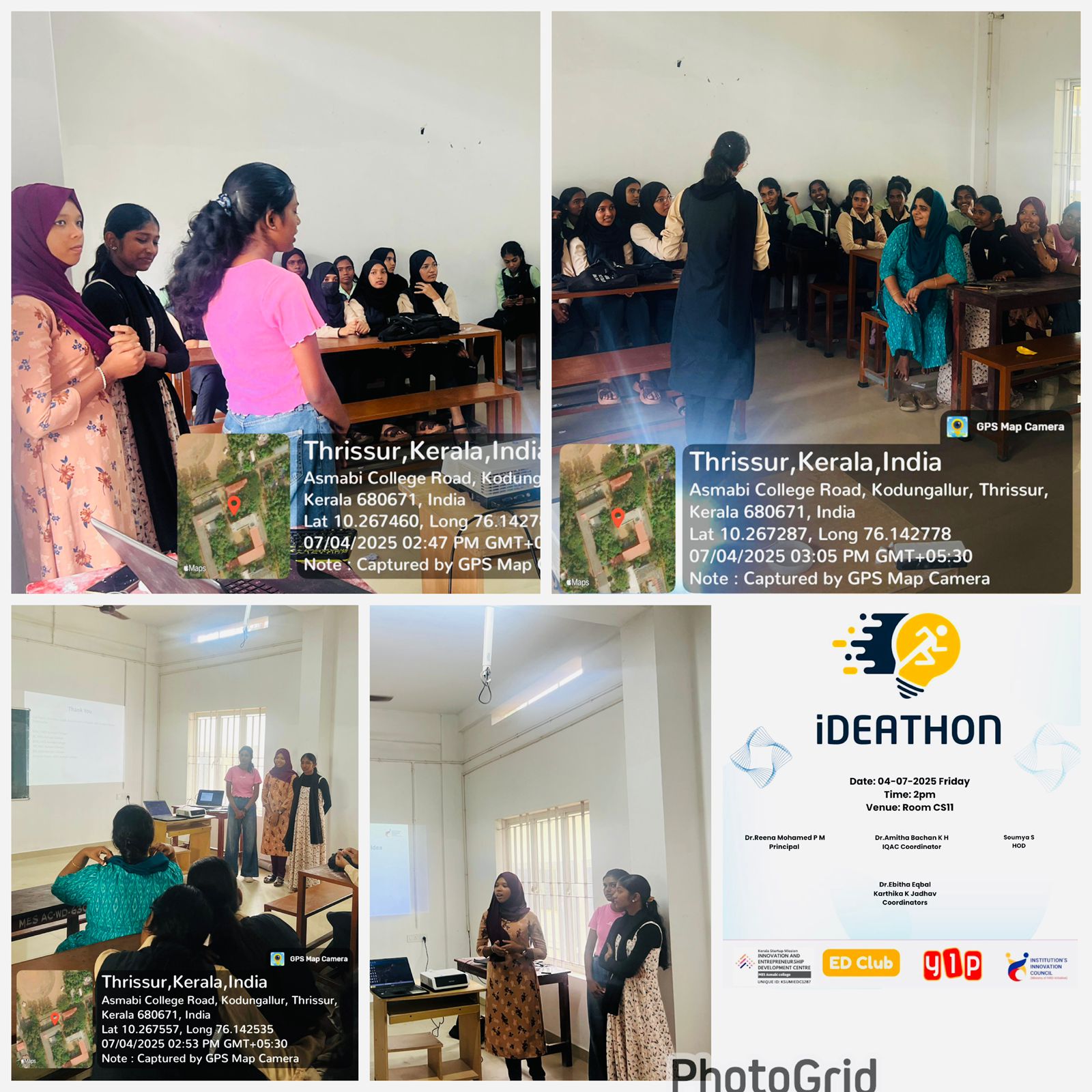
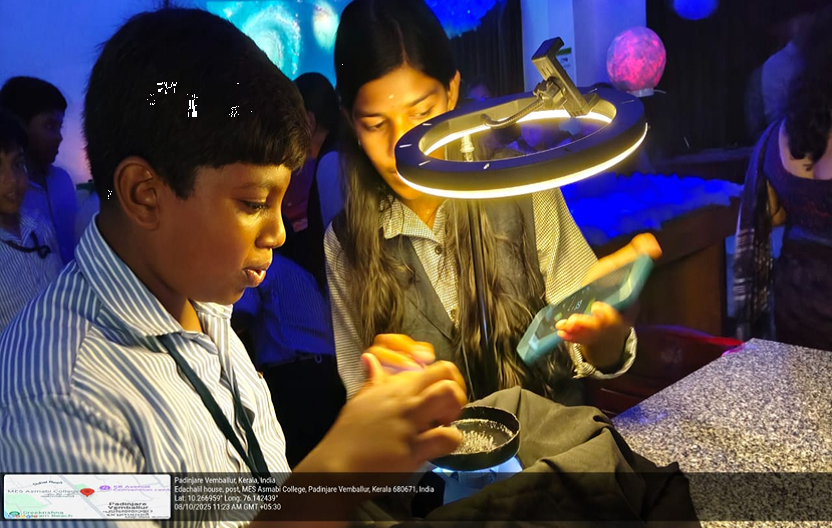
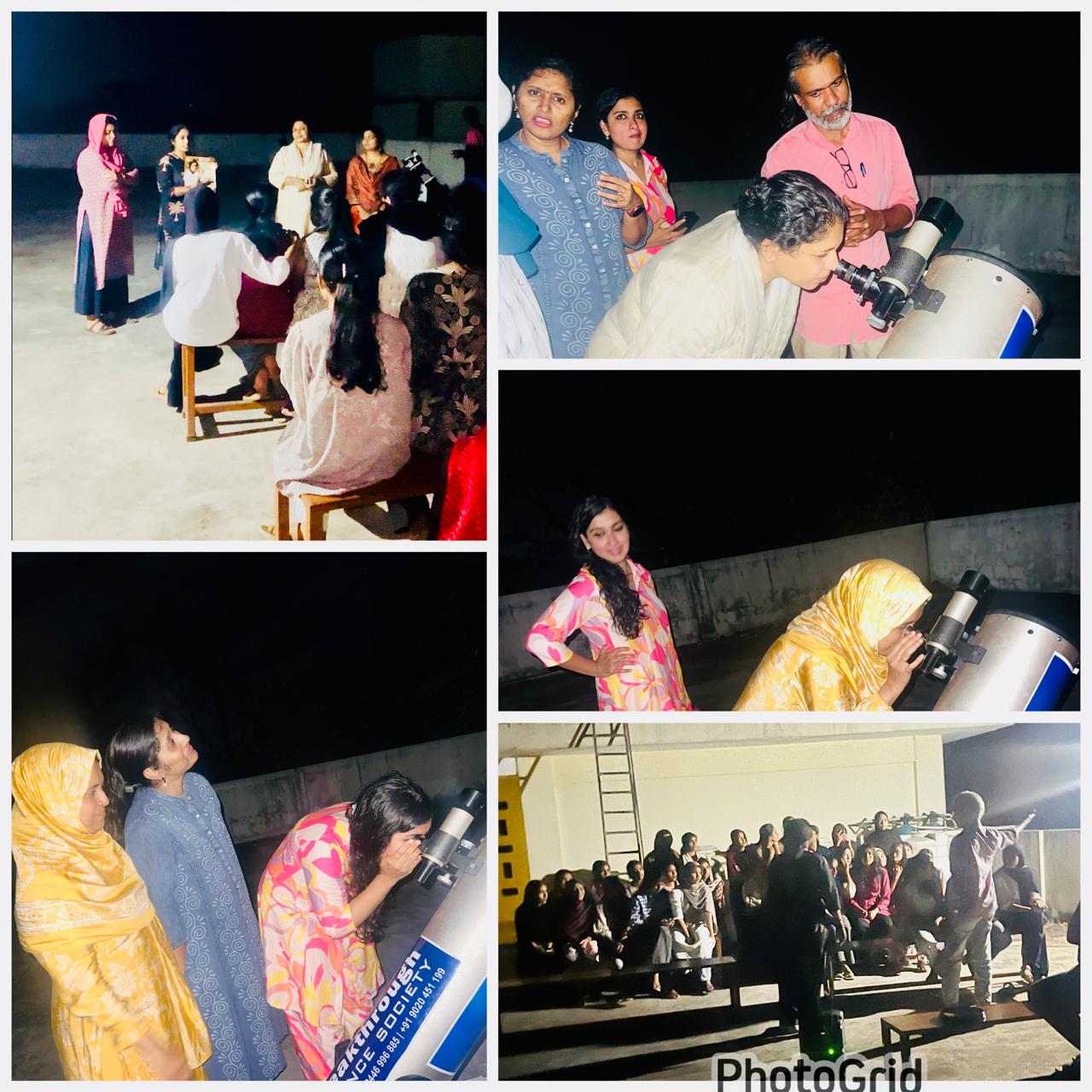
The Department of Physics began its journey in 1969 with a Pre-Degree course. It was later expanded into a subsidiary department, introducing B.Sc. Biophysics in 1999 and B.Sc. Mathematics in 2001. In 2010, it evolved into a full-fledged undergraduate department by transforming the B.Sc. Biophysics program into a B.Sc. Physics program, with Mathematics and Chemistry as complementary subjects. In 2020, the department was further elevated to postgraduate status, offering specialization in Nanoscience and Nanotechnology. In 2024, the Department of Physics introduced the B.Sc. Physics Honours program with a specialization in Data Science and Artificial Intelligence, reflecting its commitment to modern, interdisciplinary education. The department offers value-added opportunities including a certificate course in Robotics and AI, internships for third-year students, and project work in reputed national and state institutions. Experiential learning is further enhanced through industrial visits, field trips, and study tours. With four well-equipped laboratories featuring sophisticated instruments, along with facilities like a Material Science Research Lab and an astronomical telescope, the department ensures strong practical exposure. Student initiatives such as the Astro Club, Energy Club, and an LED assembling unit promote innovation and hands-on learning. Regular workshops, training programs, seminars, and conferences contribute to a dynamic academic and research environment.
Vision & Mission
Vision
To work for evolving a society with scientific attitude and mindset, integrating fundamental human values and ethics.
Mission
- To provide a firm foundation to acquire insight into the physical world
- To explain the broad spectrum of modern trends in Physics
- To develop experimental, computational and mathematical skills for the welfare and development of the society
Faculty


PROGRAMMES
Gallery